
By train from Meolo
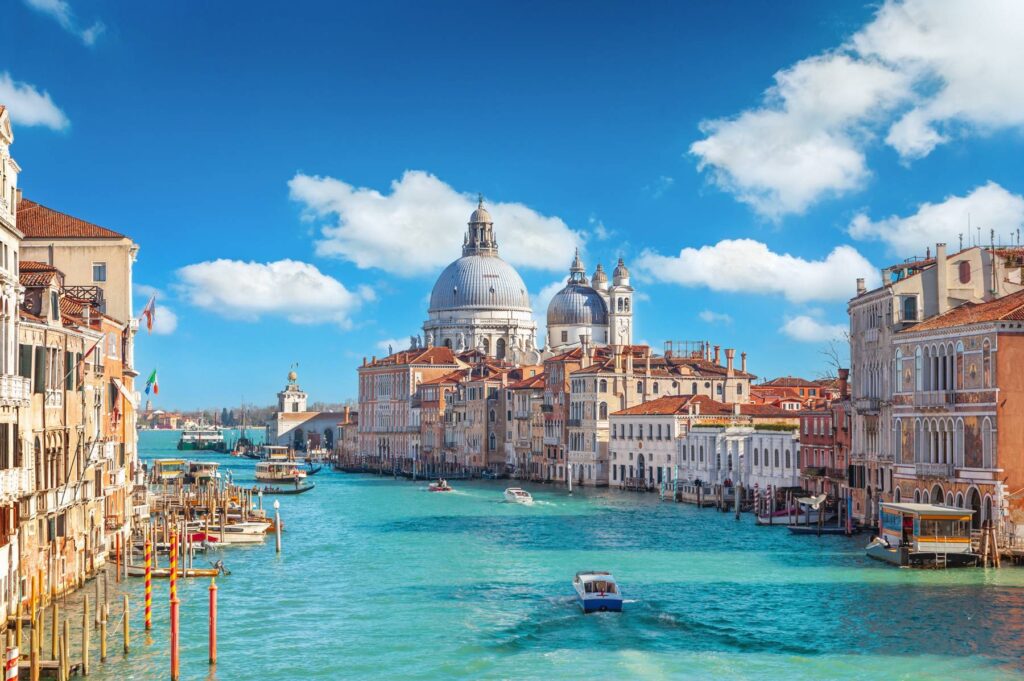
Venice
St Mark’s Square, the Doge’s Palace, the Rialto and the quiet lanes of the less-visited districts. For vaporetto tickets, museums and the City Pass, use the official Venezia Unica portal.
A journey through the art and history of the Veneto and Friuli: art cities, villages, museums and archaeological sites near Casa Fiorindo.
From the lagoon to the hills, from art cities to small villages: the area around Casa Fiorindo has one of the highest concentrations of history and beauty in Italy. A journey through the Venetian Republic, the Romans, Palladio, Canova and Carlo Scarpa – and back every evening to the peace of the countryside.
We’ve gathered the cultural destinations our guests love most, grouped by area, with approximate travel times from Meolo and the official websites where you can check up-to-date opening hours and tickets.
Venice is easy to reach by train from Meolo station, with no traffic or parking to worry about. But before the city on the water there was Altino: the Roman port where the story of the lagoon began, just a few minutes from us.
St Mark’s Square, the Doge’s Palace, the Rialto and the quiet lanes of the less-visited districts. For vaporetto tickets, museums and the City Pass, use the official Venezia Unica portal.
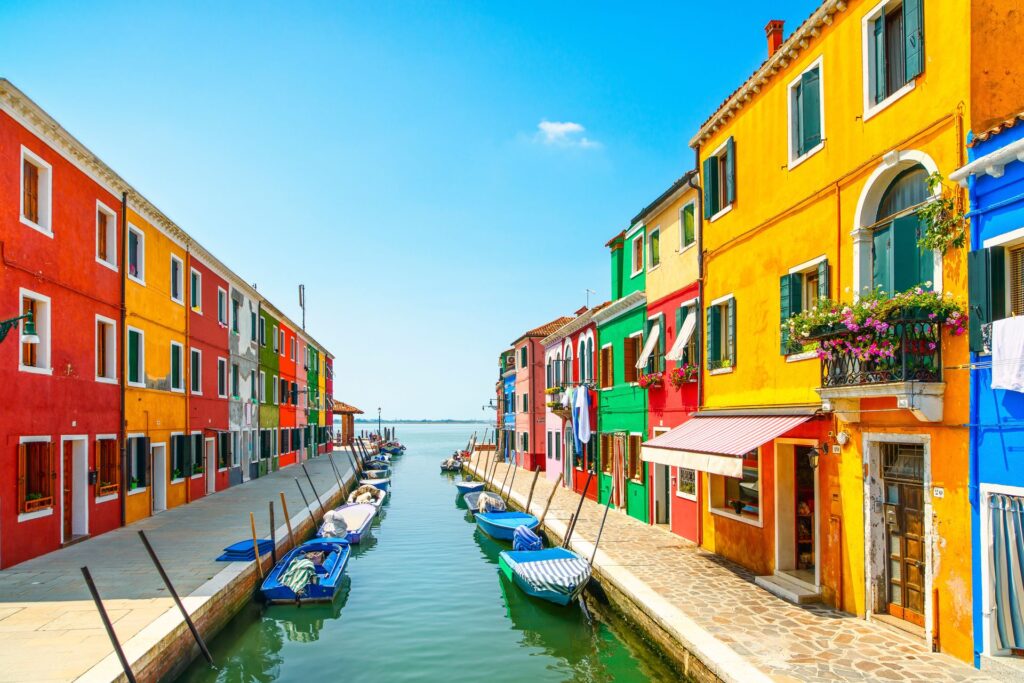
Burano’s colourful houses and lace, Murano’s glass furnaces, Torcello’s thousand-year-old basilica: the islands of the northern lagoon can also be reached by boat from Portegrandi and Altino.
This was the site of Altinum, an important Roman port and city on the edge of the lagoon, where the story of Venice began. The National Archaeological Museum displays finds from the Roman city and the ancient Veneti, while the archaeological area preserves traces of streets and buildings. It’s also the departure point for some lagoon boat trips.
Venice access fee: on certain days of the year, day visitors to the historic centre have to pay a fee and get a QR code from the official portal. The exemption for overnight guests only applies to accommodation within the Municipality of Venice, so check dates and details on cda.ve.it before your trip.
Four cities, four different personalities, all within reach for a day trip. Three of them are UNESCO World Heritage Sites: find out more in our guide to the Veneto’s 9 UNESCO sites.
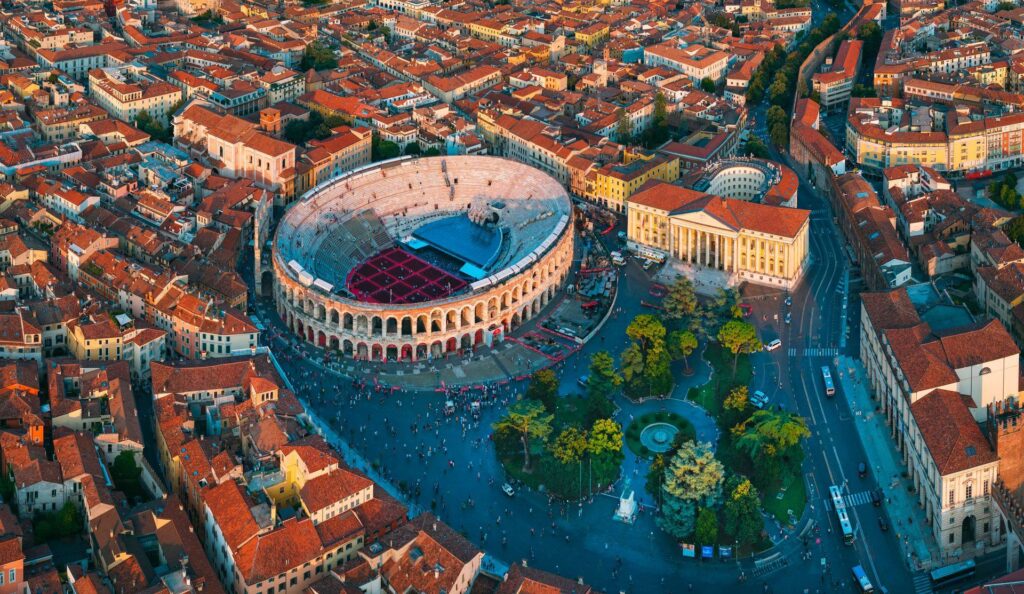
The Arena, Piazza delle Erbe, Juliet’s House. Nearby, at Valeggio sul Mincio, the Sigurtà Garden Park is lovely in every season.
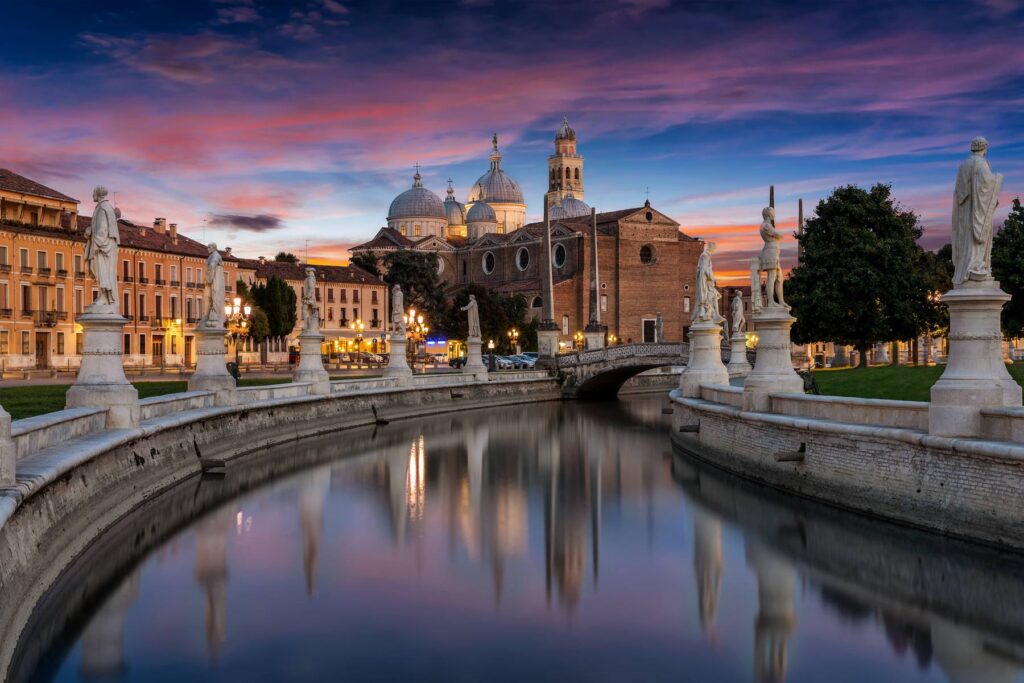
Giotto’s Scrovegni Chapel, the Basilica of St Anthony, Prato della Valle and the world’s oldest botanical garden.
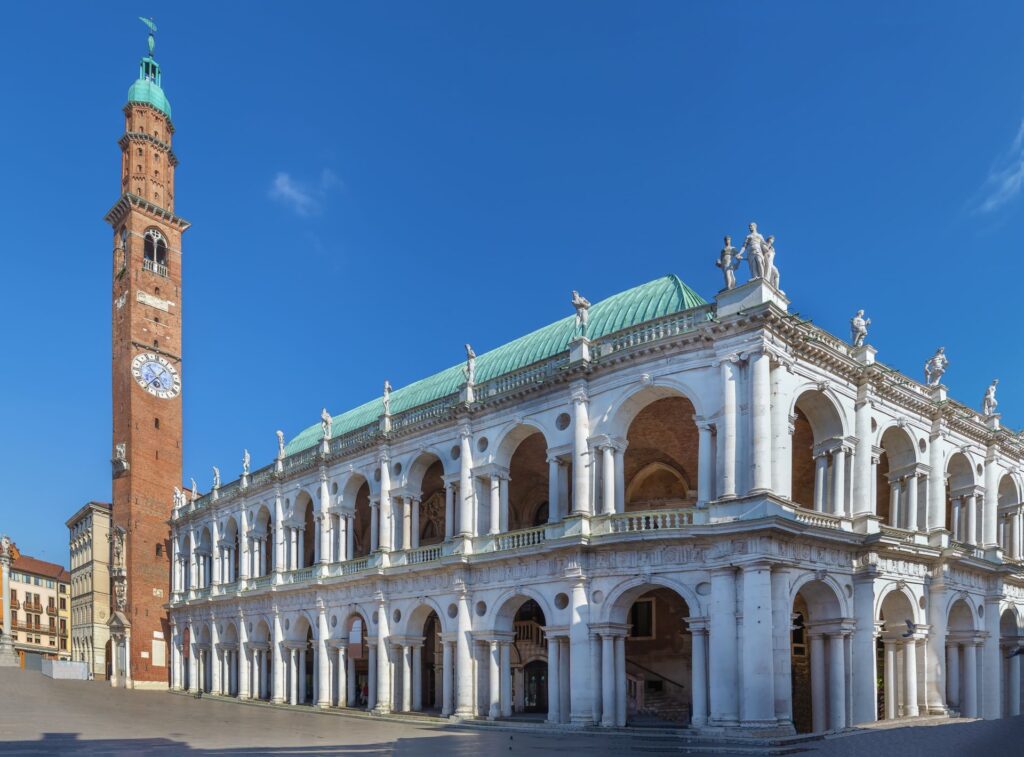
Palladio’s city: the Basilica Palladiana, the Teatro Olimpico and, just outside town, Palladian villas such as La Rotonda.
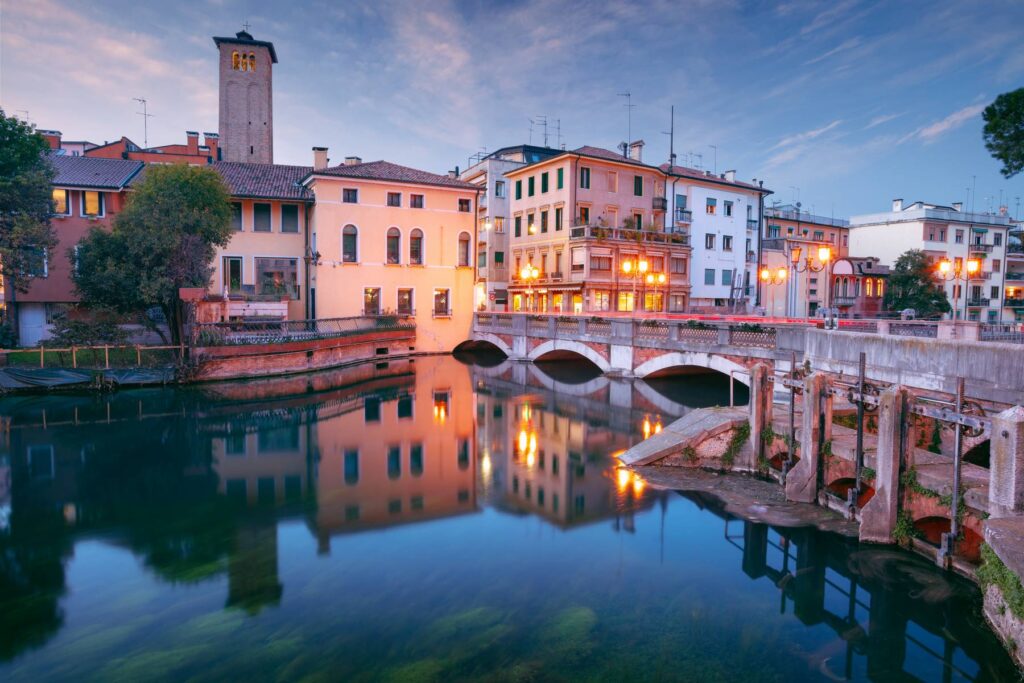
A city of water and a walled city: the Sile and the Buranelli canal, 16th-century walls, frescoed houses and Piazza dei Signori.
At the foot of Monte Grappa, villages and masterpieces follow one another: a perfect day combines Canova’s art, Carlo Scarpa’s architecture and a toast among the Prosecco Hills.
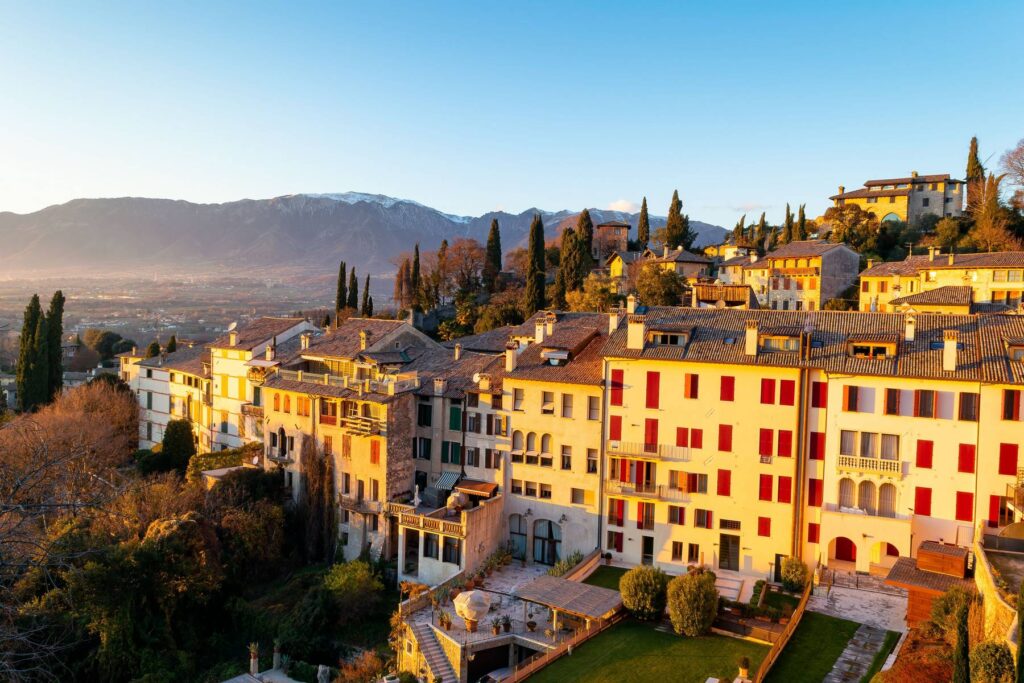
‘The town of a hundred horizons’, as the poet Giosuè Carducci called it: a medieval hill town linked to Queen Caterina Cornaro and crowned by its fortress.
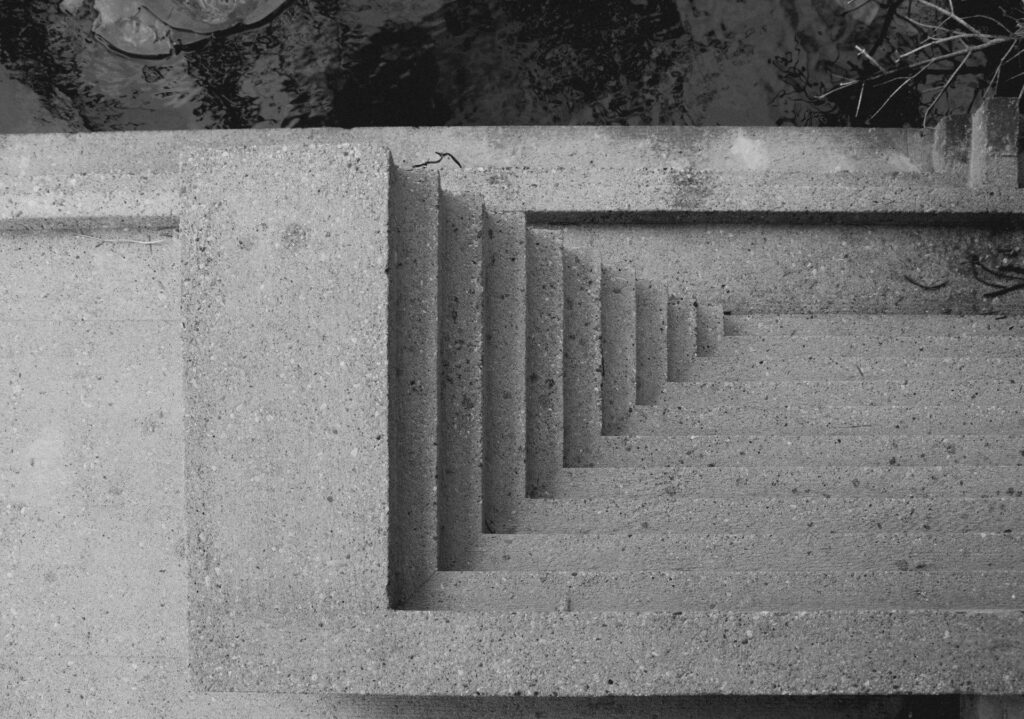
In San Vito di Altivole, the Venetian architect’s masterpiece: a memorial and garden of concrete, water and light, now cared for by FAI, the Italian National Trust.
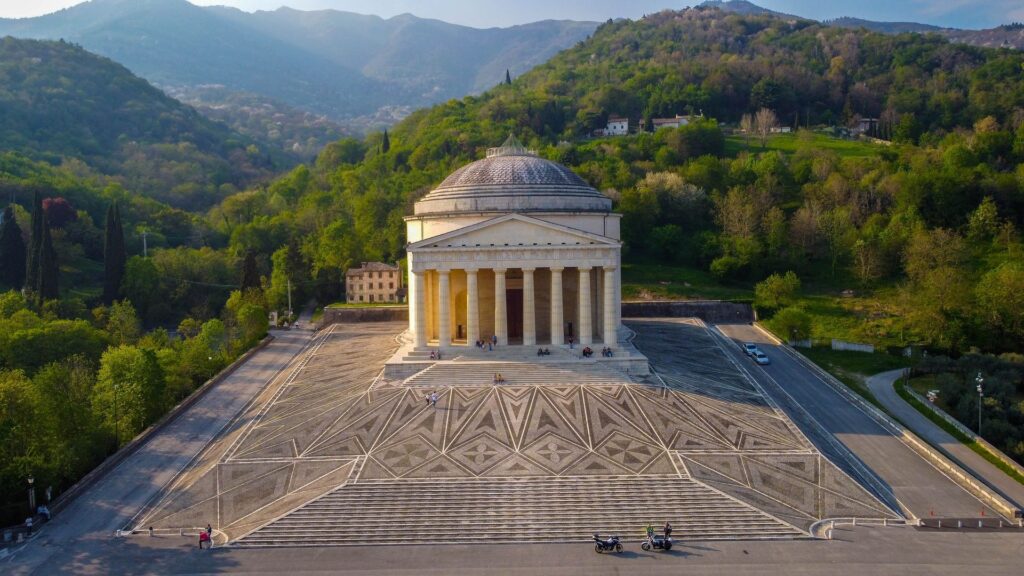
Antonio Canova’s birthplace: the Gypsotheca with his original plaster models, the wing designed by Carlo Scarpa and the majestic Canova Temple.
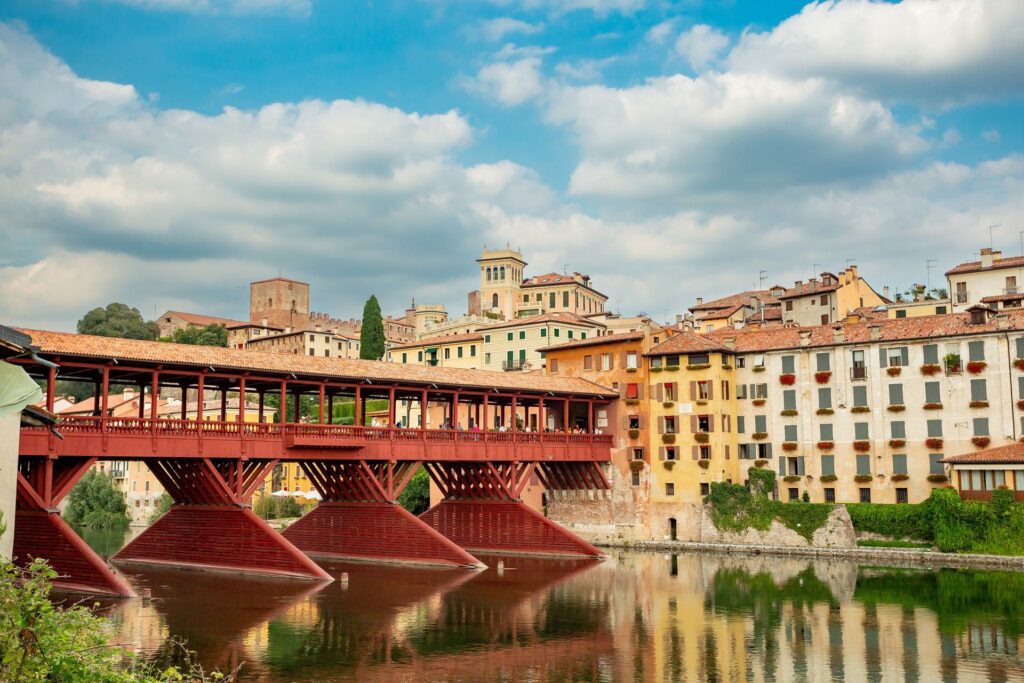
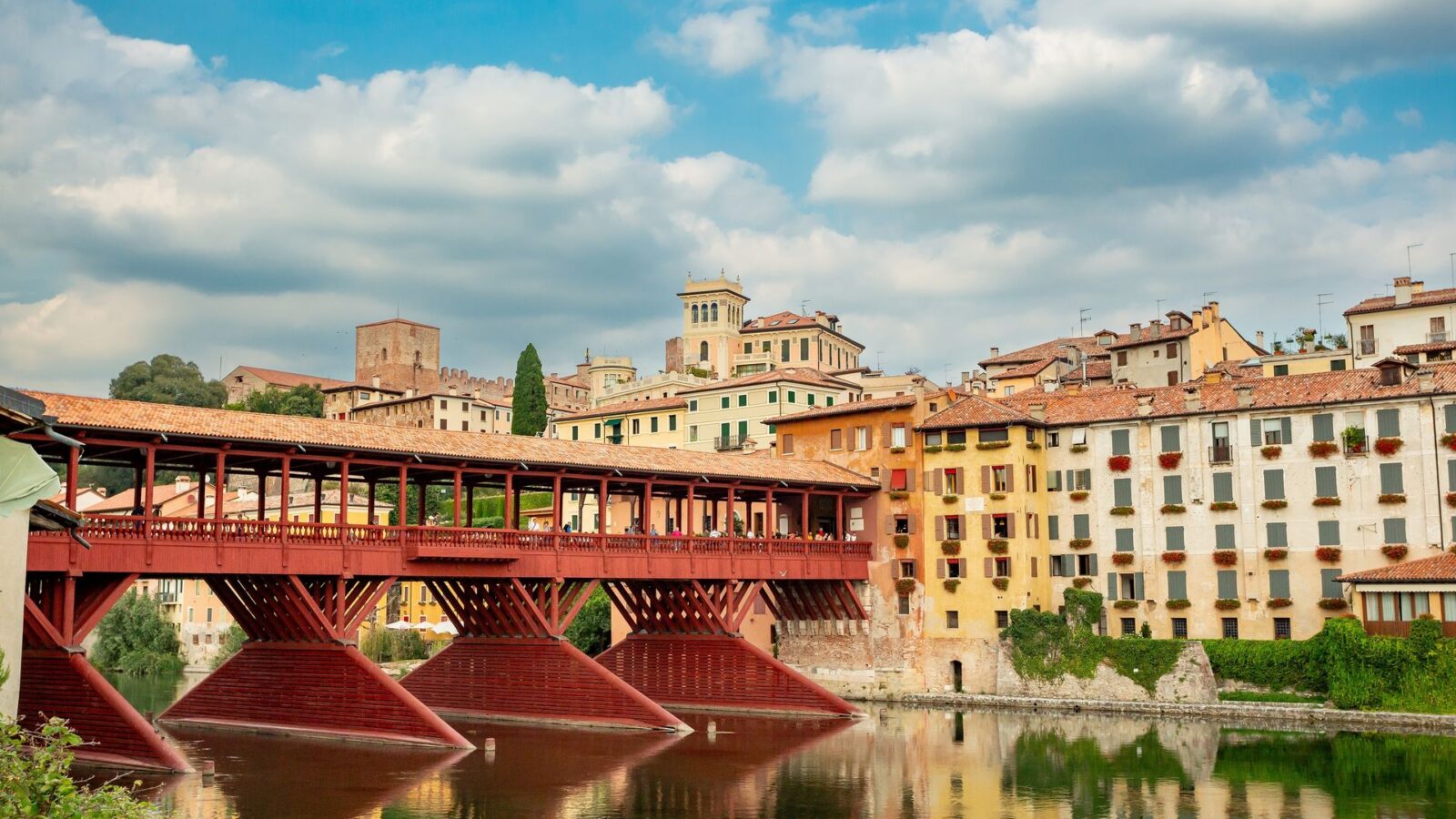
The wooden Old Bridge designed by Palladio, known as the ‘Alpini Bridge’, historic grappa distilleries and, a few kilometres away, the ceramics tradition of Nove.
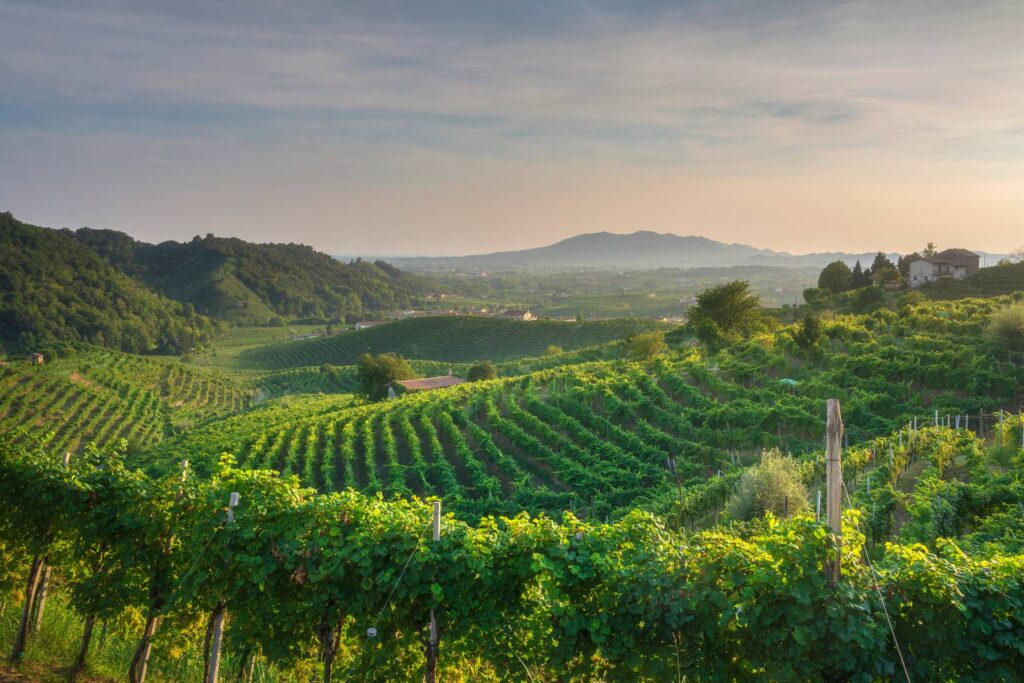
The heart of the UNESCO-listed Prosecco Hills, with the steep Cartizze vineyards and the wineries of the Prosecco Wine Road.
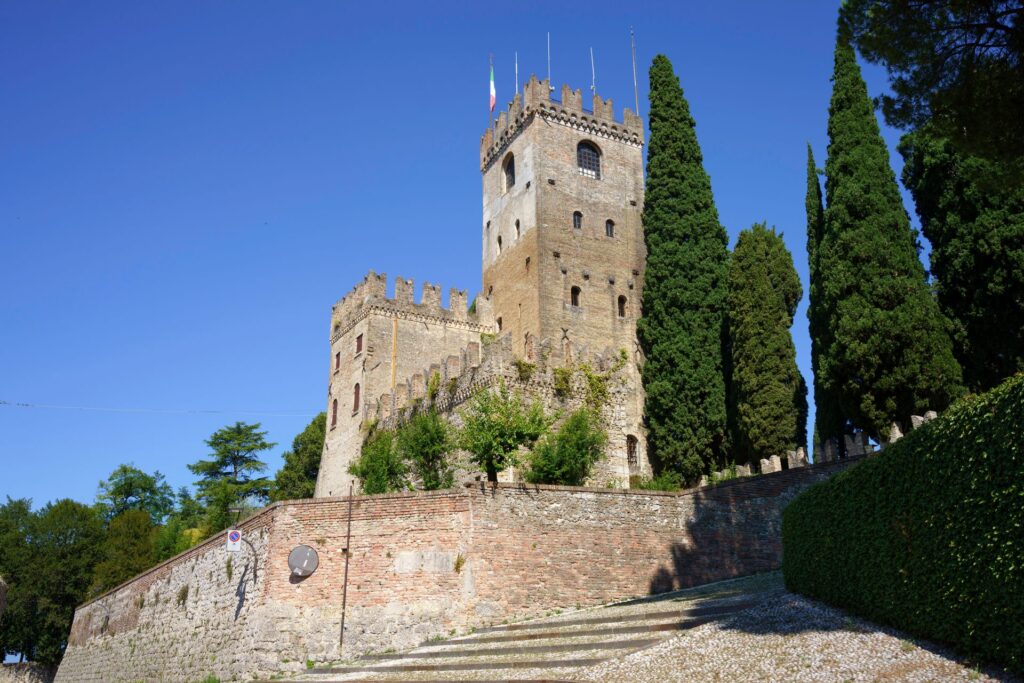
The eastern gateway to the Prosecco Hills: the hilltop castle, the Contrada Granda with its frescoed palazzi and Italy’s historic school of winemaking.
East of Meolo, towards the sea and Friuli, you’ll find river towns, archaeological sites and seaside villages: nearby destinations that also work well for half a day.
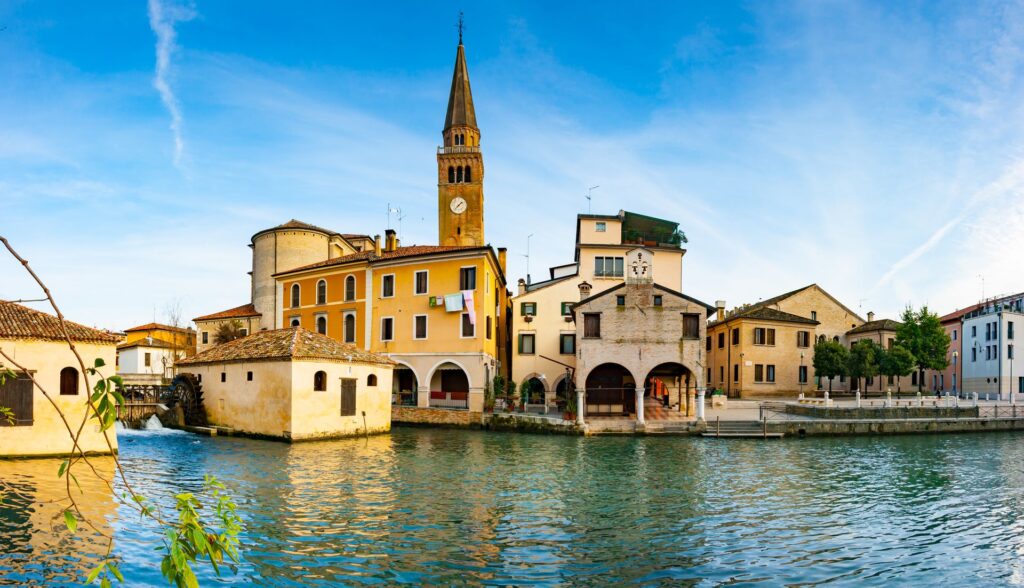
An elegant old town of arcades and palazzi on the Lemene river, with its mills, the Pescheria oratory and the National Museum of Concordia.
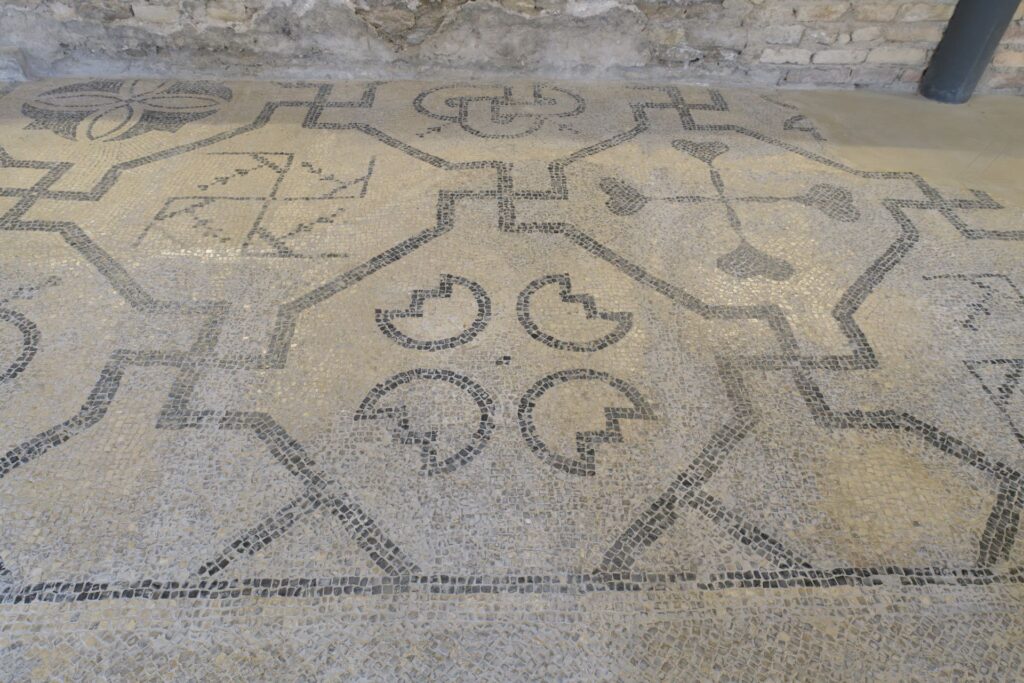
The remains of the Roman colony of Iulia Concordia and of the early Christian basilica with its mosaic floors, next to the cathedral and the Romanesque baptistery.
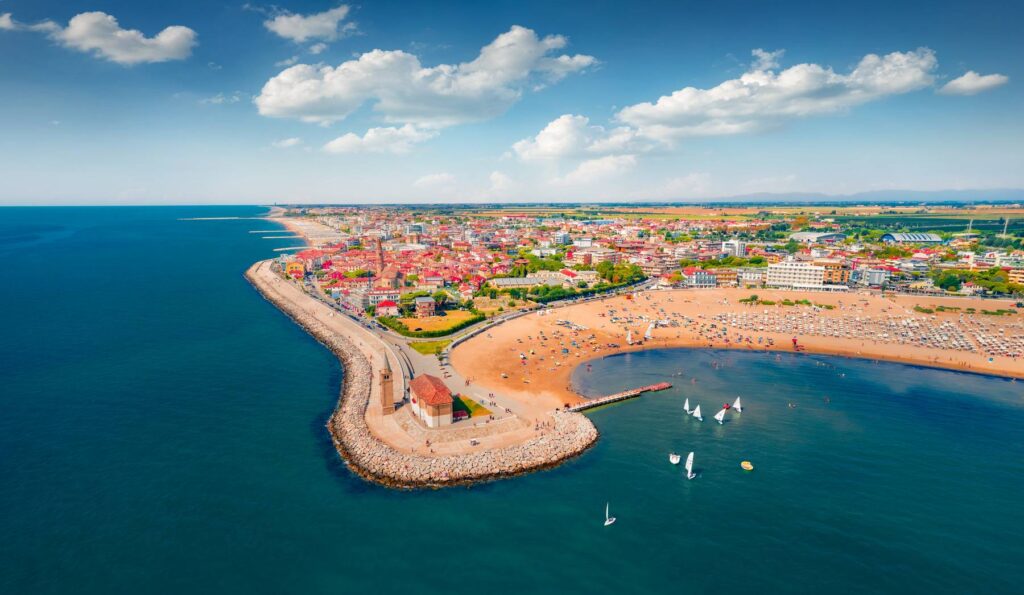
The cathedral’s round bell tower, the fishermen’s colourful houses, the Scogliera Viva with its seafront sculptures and the reed huts of the lagoon.
Thanks to the A4 motorway and the Venice–Trieste railway, Friuli Venezia Giulia is within easy reach for a day out too.
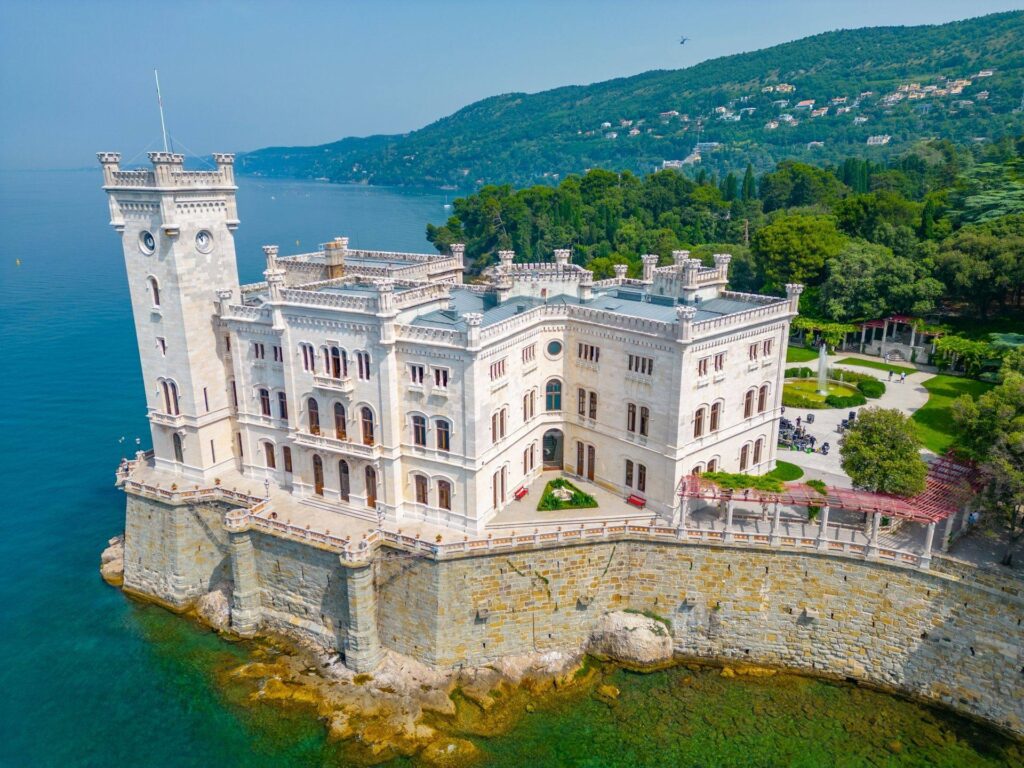
The Central European city by the sea and the white castle of Maximilian of Habsburg, set in a large park on the gulf.
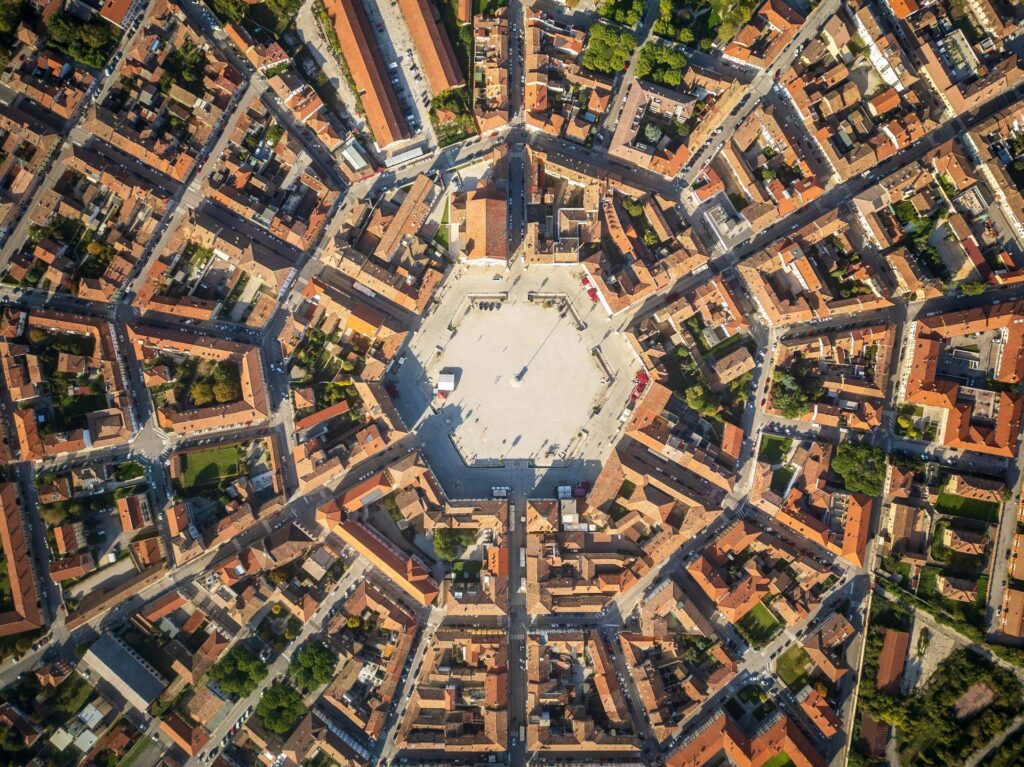
The nine-pointed star fortress town founded by the Venetian Republic in 1593, a UNESCO World Heritage Site among the Venetian Works of Defence.
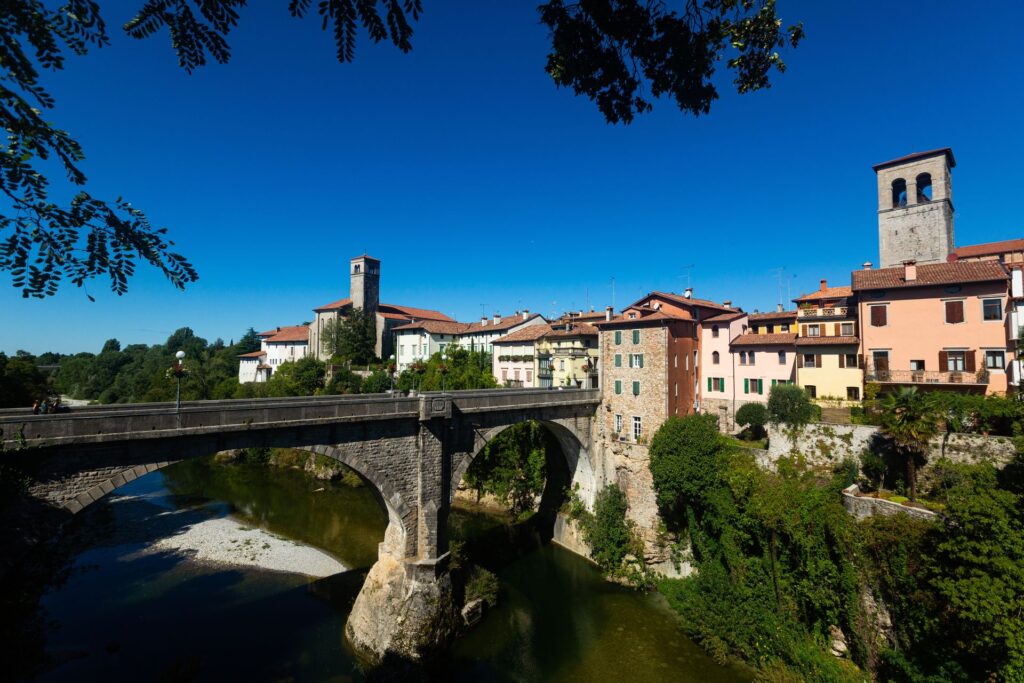
The UNESCO-listed Lombard Temple and the Devil’s Bridge over the emerald waters of the Natisone.
Travel times: the times shown are approximate, by car from Casa Fiorindo in normal traffic. Opening hours and days for museums and monuments can change, so we always recommend checking the official websites before you set off.
Ask us for tips on routes, train times and bookings: we know the area well and will be happy to suggest the itinerary that suits you best.